Supply Chain Management: The Foundation of E-Commerce
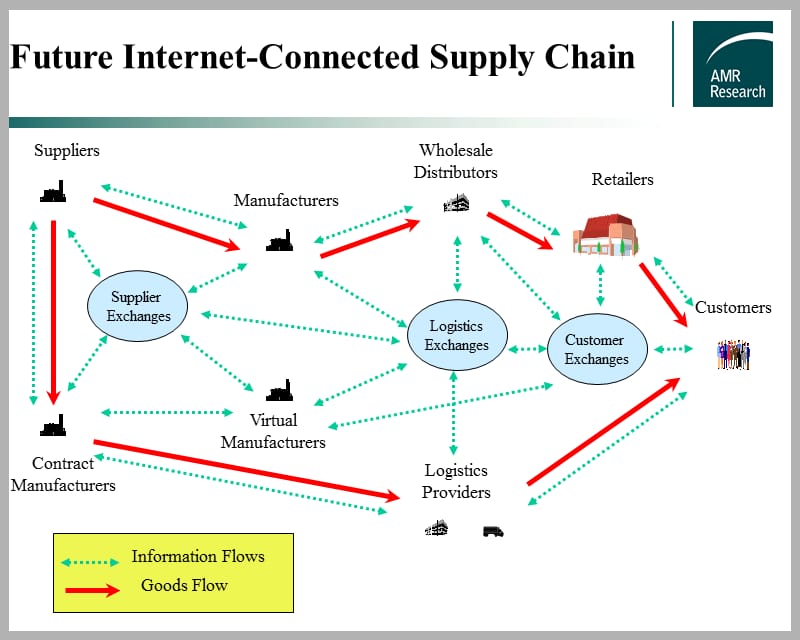
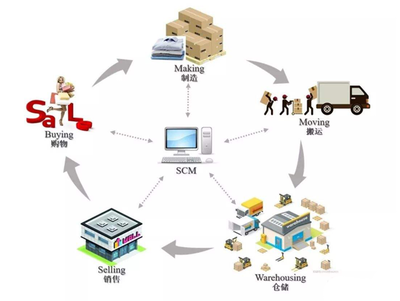
Supply Chain Management (SCM) is the backbone of modern e-commerce, orchestrating the flow of goods, information, and finances from raw material to the end customer. In the digital marketplace, where speed, efficiency, and transparency are paramount, a robust SCM system is not just an operational function but a critical competitive advantage. This article outlines the fundamental components of SCM within the e-commerce ecosystem.
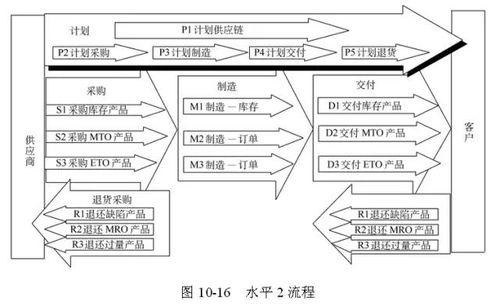
At its core, e-commerce SCM integrates several key processes:
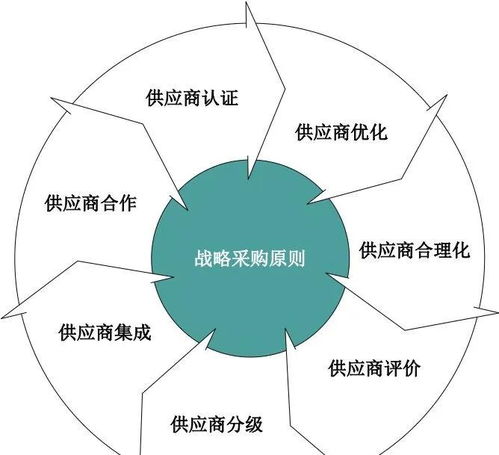
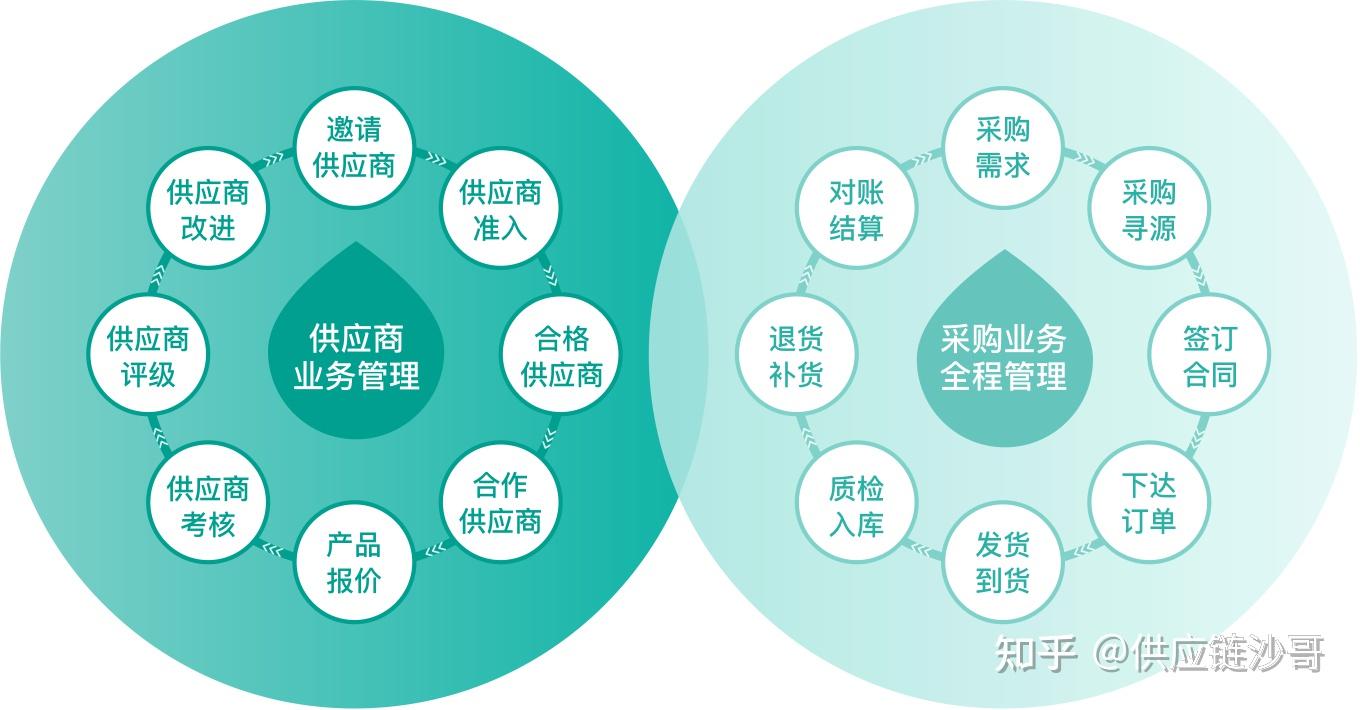
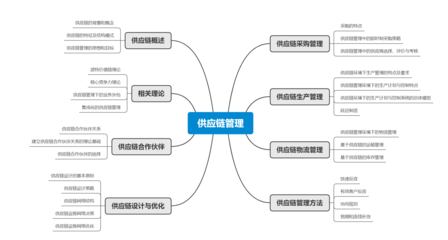
- Procurement and Sourcing: This involves selecting suppliers, negotiating contracts, and purchasing raw materials or finished goods. In e-commerce, this often means managing relationships with a vast network of global suppliers, dropshippers, and manufacturers to ensure product availability and quality.
- Production (or Assembly): For businesses that customize or assemble products, this stage transforms procured materials into the final sellable item. Efficient production scheduling is crucial to meet fluctuating online demand.
- Inventory Management: This is the heart of e-commerce logistics. It entails tracking stock levels across warehouses, fulfillment centers, and possibly third-party logistics (3PL) providers. Advanced systems use real-time data to prevent stockouts and overstocking, optimizing capital and storage space.
- Order Fulfillment: Once a customer places an order online, the fulfillment process begins. This includes picking the item from inventory, packing it securely, and handing it off to a shipping carrier. Speed and accuracy here directly impact customer satisfaction.
- Logistics and Transportation: This covers the physical movement of goods, from the warehouse to the customer's doorstep. E-commerce companies must manage complex shipping networks, last-mile delivery challenges, and returns logistics (reverse logistics).
- Demand Planning and Forecasting: Using data analytics from sales trends, market research, and seasonal patterns, businesses predict future customer demand. Accurate forecasting informs inventory decisions, production schedules, and resource allocation.
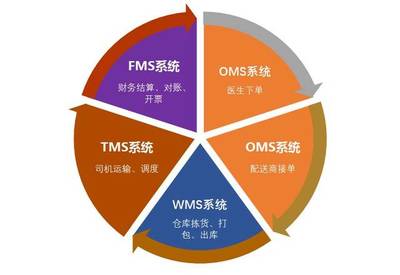
- Information Systems: Technology is the enabler. Integrated software platforms—such as Enterprise Resource Planning (ERP), Warehouse Management Systems (WMS), and Transportation Management Systems (TMS)—connect all SCM components, providing visibility and facilitating data-driven decisions.
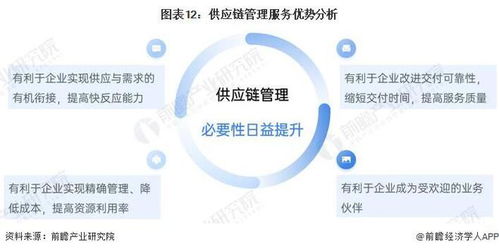
For e-commerce, effective SCM delivers tangible benefits: reduced operational costs, faster delivery times, improved customer experience, and greater agility to adapt to market changes. Ultimately, a well-managed supply chain transforms the promise of online shopping—convenience, choice, and speed—into a reliable and profitable reality. Mastering these basics allows e-commerce businesses to build resilience, scale efficiently, and thrive in a competitive digital landscape.
如若转载,请注明出处:http://www.feizhoulianmeng.com/product/16.html
更新时间:2026-06-19 09:37:36